Health and Safety Policy for Cleaners Bromley
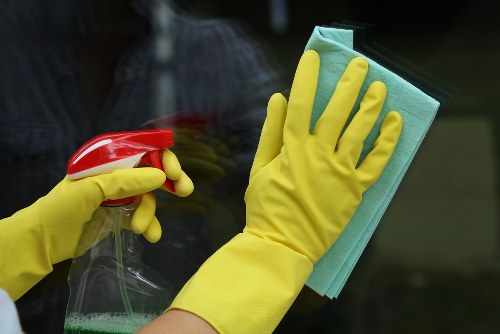 Our health and safety policy sets out how our cleaning teams work safely, consistently, and professionally while delivering high-quality results. For Cleaners Bromley, safety is not treated as an extra step; it is part of every task, from preparation and transport of equipment to the final inspection of a cleaned space. We aim to protect cleaners, clients, visitors, and anyone else who may be affected by our work. This policy applies to every site we clean, and it supports a careful, responsible approach to daily operations.
Our commitment begins with risk awareness. Before any job starts, we assess the environment, identify likely hazards, and choose suitable controls. This may include checking floor conditions, spotting fragile surfaces, reviewing access points, and considering whether there are people nearby. By planning ahead, our cleaners can reduce the chance of accidents and maintain a controlled working environment. We believe that a well-organised approach helps keep the service efficient while also supporting safer outcomes.
 All cleaning staff are expected to follow clear working methods and use equipment correctly. Training covers manual handling, safe use of cleaning chemicals, correct storage of supplies, and the proper handling of tools and machines. Safe cleaning practices are reinforced through supervision and routine checks. If a worker is unsure about a procedure, they must pause and seek guidance before continuing. No task is so urgent that it justifies taking unnecessary risks.
Protective equipment is used where appropriate to reduce exposure to hazards. Depending on the task, this may include gloves, masks, footwear with good grip, or other suitable items. We also encourage good hygiene after handling chemicals or waste, and we make sure equipment is kept clean and in working order. When items are damaged or no longer fit for purpose, they are removed from use. This helps support a safer and more reliable service.
Cleaning products are selected, stored, and used with care. Only appropriate products are used for each surface and setting, and all instructions are followed closely. Containers are clearly labelled, and chemicals are never mixed unless the product guidance specifically allows it. Spills are dealt with quickly using the correct method, and any exposure concerns are reported without delay. These measures protect both cleaners and the people who occupy the premises.
 Slips, trips, and falls remain one of the most common workplace risks, so we take prevention seriously. Our teams keep pathways clear, place warning signs when floors are wet, and work in a tidy manner to avoid clutter. Cables, buckets, and other items are positioned carefully to reduce obstruction. In addition, we pay attention to lighting and visibility, especially in areas where surfaces may be uneven or recently cleaned. A neat workspace is a safer workspace.
Manual handling is another important part of this policy. Wherever possible, cleaners use techniques that reduce strain, such as splitting heavy loads, using suitable trolleys, and avoiding awkward lifting positions. Team members are encouraged to work within their limits and ask for assistance when required. Repeated strain or poor lifting habits can lead to injury, so safe posture and controlled movement are central to our approach. We support practical, steady work rather than rushed action.
We also recognise the importance of clear communication. When cleaners arrive at a site, they confirm any special instructions, note restricted areas, and identify any immediate concerns. If a hazard is discovered during the job, it is reported promptly and dealt with according to the situation. This may include isolating the area, changing the cleaning method, or stopping work until it is safe to continue. Good communication helps everyone stay informed and reduces confusion.
Accident reporting is taken seriously. Any incident, near miss, or unsafe condition must be recorded and reviewed so that lessons can be learned and repeated problems can be avoided. Cleaners Bromley follows a culture of continuous improvement, where safety information is used to strengthen future working methods. If an error or hazard is identified, we address it constructively and promptly. The aim is not only to respond to incidents, but also to prevent them from happening again.
Supervision and accountability are important parts of maintaining standards. Managers and senior staff monitor work quality, check compliance with procedures, and support workers who may need extra guidance. Regular reviews help ensure that the policy remains effective and that staff remain confident in their responsibilities. We expect every cleaner to understand that safety is part of professional conduct, not a separate concern. Care, attention, and consistency are key values in our service.
In every setting, we strive to balance effective cleaning with sensible risk control. That means choosing methods that suit the job, respecting the environment, and avoiding shortcuts that could create danger. Whether the work involves routine maintenance, deep cleaning, or specialist tasks, the same principles apply: plan carefully, act safely, and check the result. This approach supports a dependable service and helps maintain trust in our cleaning services.
 We also expect anyone working on our behalf to respect site rules and follow reasonable safety instructions from property managers or responsible persons. Where additional precautions are needed, these are integrated into the working plan before cleaning begins. Our policy is designed to be practical, adaptable, and clear, so that safety remains embedded in everyday operations rather than being treated as a formality.
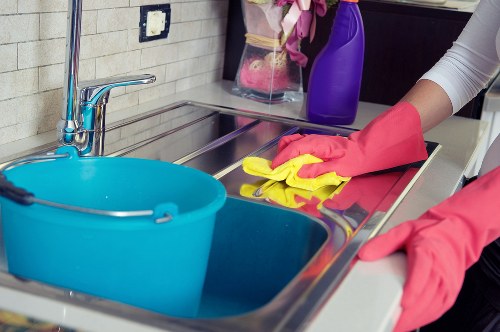 All staff are reminded that health and safety is a shared responsibility. By staying alert, using equipment correctly, and reporting concerns quickly, cleaners help create a safer environment for everyone involved. This policy reflects our commitment to doing work properly, with care and professionalism at every stage. For cleaners in Bromley and beyond, safe practice is a standard we expect and protect.
The policy is reviewed periodically to ensure it remains suitable for the way we work and the risks we may face. Updates may be made when procedures change, when new equipment is introduced, or when feedback from incident reviews shows that improvements are needed. This keeps our methods current and supports a culture where safety is always evolving in a positive direction.